
An affordable Tanzania safari is not the same as the cheapest one. Tanzania’s national parks charge significant daily fees, so the lowest quotes often hide compromises that cost you in wildlife sightings, comfort, or safety. The goal is value: the best possible experience for the money you have. This guide explains what affordable looks like in Tanzania, where your money goes, and how to plan a trip that is both reasonably priced and genuinely rewarding.
What Counts as “Affordable” in Tanzania?
Affordability is relative to the destination. Tanzania is not a low-cost safari country, and published 2026 estimates reflect that. One guide puts the overall spread at roughly $250 to $1,500 or more per person per day, depending on accommodation tier, season, and group size. Within that spread, “affordable” generally means the lower to middle part of the range, roughly $250 to $450 per person per day for a well-run trip. dumaexplorer
Individual operators and guides will quote differently, and the figures below are planning estimates, not fixed prices. Always compare detailed written quotes.
Why Tanzania Costs What It Does
Understanding the price structure shows you where savings are possible and where they are not.
Park fees are fixed. The park authorities set entry fees, charged per person per 24 hours, and no operator can discount them. Sources vary on exact rates, but premium parks such as the Serengeti and Ngorongoro generally sit around $70 to $85 or more per adult per day, while Tarangire and Lake Manyara are lower. One source notes that for a typical week in the northern parks, government fees alone come to roughly $500 to $600 per person. VAT may apply on top. dumaexplorer
Vehicle and guide costs are shared. A 4×4 and driver-guide cost the same whether two or six people are inside, so group size directly affects your per-person price.
Accommodation is where you have control. The difference between camping, a simple lodge, and a luxury camp can be hundreds of dollars a night.
Extras add up. Visas, tips, drinks, and optional activities sit outside most base prices.
Because park fees and vehicle costs are largely fixed, affordable planning is really about choosing your parks, your accommodation, your group size, and your dates wisely.
Seven Strategies for an Affordable Tanzania Safari
1. Travel in the Shoulder Season
Timing is one of the most effective levers. Late June to October is peak season, with the highest accommodation rates. Shoulder periods such as November, early December, and parts of January and February often bring good wildlife with softer pricing. The long rains, roughly April to May, are usually cheapest, but weather can disrupt travel and some camps close.
Premium-park fees generally stay the same year-round, so seasonal savings come mainly from lodging and operator rates.
2. Share the Vehicle
Joining a group departure or travelling with friends or family spreads the largest variable cost. A guide-and-vehicle day rate is a fixed expense, and one traveler’s estimate puts it at about $300 per day, often excluding park fees. Split four ways, that is a very different number from a solo traveler’s share. twowanderingsoles
3. Mix Premium and Lower-Fee Parks
Not every day needs to be in the most expensive park. Tarangire and Lake Manyara cost less to enter than the Serengeti and Ngorongoro, and still deliver excellent wildlife. A balanced itinerary, for example two days in Tarangire and Manyara, a night near Ngorongoro, and two days in the Serengeti, controls costs without losing the big names.
4. Choose Simpler Accommodation
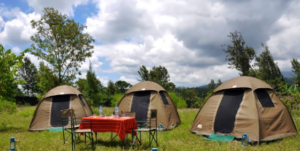
Camping safaris and basic lodges are the classic affordable choice. Camping suits adventurous travelers and costs far less than lodge stays. Basic lodges add real beds and private bathrooms at a moderate price. A mix of the two often works well, for instance camping in the park and using a simple lodge near Arusha at either end.
5. Stay Longer in Fewer Places
Constant movement means more driving and more fees. Spending extra nights in one or two areas reduces transfer costs and usually improves wildlife viewing, since your guide learns the area’s patterns and you see more of it.
6. Book Early and Book Direct
The best-value camps and group departures fill up. Booking early gives you more choice and sometimes better rates. Booking directly with a licensed local operator can avoid layers of commission, though you should always check registration, reviews, and payment arrangements.
7. Skip Non-Essential Extras
A Serengeti balloon flight is a memorable splurge, with one operator quoting around USD 550 to 600 per person. If the budget is tight, it is an easy item to leave out without damaging the core experience. cheetahsafaris
Sample Affordable Itineraries and Estimates
The following are rough per-person planning estimates for group or shared-vehicle trips with camping or simple lodging. Actual costs vary by operator, season, and group size.
| Itinerary | Typical length | Rough estimate per person |
| Tarangire and Lake Manyara | 3 days | $750–$1,100 |
| Tarangire, Manyara, Ngorongoro | 4 days | $1,100–$1,700 |
| Northern circuit with Serengeti | 6 days | $1,900–$2,800 |
| Extended northern circuit | 7–8 days | $2,300–$3,400 |
These figures exclude international flights, visas, tips, insurance, and extras. If a quote falls far below these ranges, ask exactly what has been omitted.
What Should Be Included in an Affordable Package
A fair quote should clearly state:
- Number of nights and named accommodation
- Park, concession, and vehicle fees, and for how many days
- A well-maintained 4×4 with a roof that opens for viewing
- A professional, licensed driver-guide
- Meals and drinking water
- Airport transfers
- Whether the crater descent fee is included, if Ngorongoro is on the route
Typical exclusions include international flights, visas, insurance, tips, alcohol, and optional activities. Get these in writing.
What You Should Never Cut
Some savings are false economies that damage the trip or put you at risk.
- Vehicle quality. Breakdowns waste days and fees, and a cramped vehicle spoils the experience.
- Guide experience. A skilled guide finds animals, explains behavior, and keeps you safe.
- Travel and medical insurance, including emergency evacuation.
- Licensing and legitimacy. Confirm your operator is properly registered.
- Adequate meals and safe water.
A good guide deserves fair pay too. A common tipping guideline is USD 10 to 20 per person per day for your guide. cheetahsafaris
Red Flags in Very Cheap Quotes
- A price that seems too low to cover park fees alone
- Vague phrases such as “park fees may apply” or “accommodation similar to”
- Overcrowded vehicles with no guaranteed window seats
- Large deposits requested through untraceable payment methods
- No verifiable license, reviews, or trading history
Park gates operate with digital payments, and cash is generally not accepted, so reputable operators handle fees on your behalf. Anything that suggests handling large sums of cash deserves a closer look.
Hidden Costs to Budget For
Even careful planning can miss a few items:
- Visa: commonly around $50 for many nationalities, though rules vary
- International flights to Kilimanjaro or Arusha
- Tips for guides, cooks, and camp staff
- Vaccinations and malaria prevention
- Travel insurance
- Drinks, snacks, laundry, and souvenirs
Setting aside an extra 10 to 15 percent beyond the quoted price helps prevent unwelcome surprises.
Common Myths About Affordable Safaris
“Cheaper means worse wildlife.” Not necessarily. Wildlife viewing depends on the park, season, and guide, not the price of your bed. A skilled guide in a modest vehicle will often outperform a poorly led luxury trip.
“You must go in peak season.” Peak months are popular, but shoulder periods offer excellent wildlife with fewer crowds.
“All operators charge the same.” Quotes vary widely, and the difference is often in what is included and how well the trip is run.
“The Serengeti is the only park worth visiting.” Tarangire, Manyara, and Ngorongoro offer outstanding wildlife, often at lower daily costs.
Conclusion
An affordable Tanzania safari is achievable, but it takes realistic expectations and careful choices. Park fees set a high floor, so savings come from traveling in shoulder season, sharing a vehicle, mixing premium and lower-fee parks, choosing simple accommodation, and booking early with a reputable local operator. Resist the temptation to chase the lowest headline price, because the cheapest quotes often cut guide quality, vehicle safety, or key inclusions. Focus on value, ask detailed questions, and protect the essentials. The result is a trip that delivers lions, elephants, and endless plains without stretching your budget unreasonably.
Fees, taxes, and rates change, and published figures vary between sources. Confirm current prices and inclusions with your operator and the official park authorities before you book.
Key Takeaways
- An affordable Tanzania safari typically means roughly $250 to $450 per person per day.
- Park fees are fixed, so savings come from accommodation, group size, route, and timing.
- Sharing a vehicle is one of the biggest cost reducers.
- Tarangire and Lake Manyara cost less than the Serengeti and Ngorongoro.
- Shoulder season lowers lodge and operator rates, while premium-park fees stay mostly steady.
- Never cut vehicle quality, guide experience, or insurance.
- Be wary of suspiciously low quotes and always request a written breakdown of inclusions.
Frequently Asked Questions
- How much does an affordable Tanzania safari cost?
Most affordable safaris cost roughly $250 to $450 per person per day, depending on the route, season, and group size. A week typically comes to about $1,750 to $3,150 per person, excluding flights. - Can I do a Tanzania safari on a small budget?
Yes, with shorter trips in lower-fee parks, group departures, and camping or basic lodges. Expect a modest itinerary, and avoid quotes that seem too good to be true. - What is the cheapest way to do a Tanzania safari?
Joining a group camping safari in the lower-fee parks during shoulder or low season is usually the most economical option. - Which parks are most affordable?
Arusha National Park, Tarangire, and Lake Manyara generally have lower entry fees than the Serengeti and Ngorongoro Crater. - Are park fees included in affordable packages?
Usually, but not always. Ask for a written list of what is covered, including concession, vehicle, and crater fees. - Is it cheaper to book directly with a local operator?
Often, because it can avoid extra commission layers. However, always verify the operator’s license, reviews, and payment terms. - When is the cheapest time to go?
The long rains, roughly April to May, usually have the lowest rates. November and early December can also offer good value. - Is camping on safari safe?
Yes, when arranged through a reputable operator using designated campsites with experienced crews. Ask about equipment, safety procedures, and campsite locations. - How much should I tip on an affordable safari?
A common guideline is $10 to $20 per person per day for your guide, with smaller tips for the cook and camp staff. - How far ahead should I book?
For peak season, book six to nine months ahead. For shoulder and low seasons, two to four months is often enough.
I can also put this in a file, or adapt the tone, audience, or target operator if you’d like.

